The Ultimate Knitter’s Guide to Working With Cotton Yarn
With summer in full swing, many knitters turn to cotton yarns like Cotton Fleece and Cotton Fine. Cotton yarn offers a breathable, warm weather friendly alternative to heavy, insulating wool yarns. But cotton yarn doesn’t act like wool yarn. One is a plant fiber, and the other is an animal fiber. Wool has a textured surface; cotton has a smooth surface. Wool usually has a longer staple and is less dense; cotton usually has a shorter staple and is more dense. All of these differences define which types of projects highlight cotton yarn and which projects you may want to avoid!
Cotton Yarn Doesn’t Behave Like Wool Yarn
Be careful when reviewing patterns to determine whether you can substitute a cotton yarn for a wool yarn. Cotton yarn behaves very differently than wool yarn, which can affect the look, behavior, and wear of your finished knit.
You might be accustomed to wool’s elasticity, its resistance to growth, its ability to thwart body odors. Cotton does not have these same abilities. If you’ve ever been stuck in a rain shower wearing cotton, you know it absorbs water, gets heavy on the body, and stays wet for awhile. Wool might absorb a little water, but the lanolin and textured surface allow it to repel a lot of water too! These differences are important when considering pairing appropriate fibers with potential garments.
Here are some important differences between wool and cotton to bear in mind:
|
WOOL FACTS
|
COTTON FACTS
|
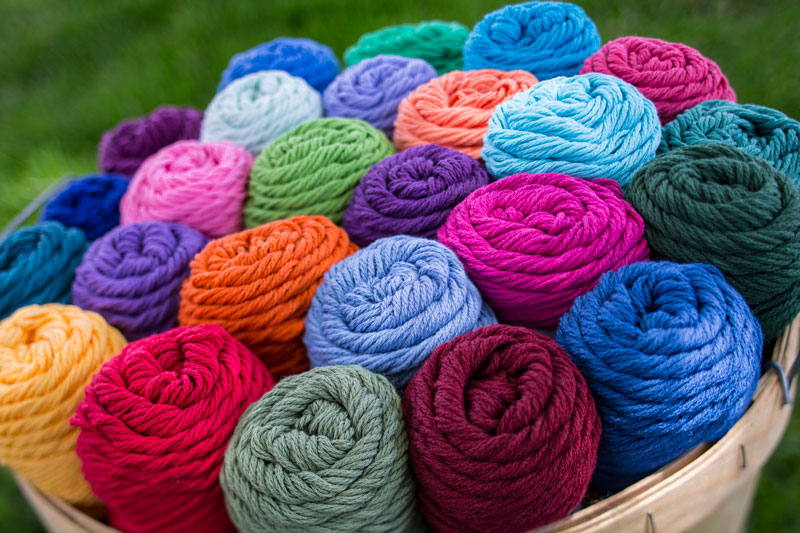
Cotton Fleece and Cotton Fine blend wool and cotton, so these yarns offer a “best of both worlds” alternative to yarns solely composed of cotton. However, a generous swatch in the pattern your project calls for will be your best indicator of the yarn’s suitability. Remember to wash and block your swatch as you would your project, too! Read our primer on gauge swatches for detailed instructions on making a good gauge swatch.
Abuse Your Gauge Swatch
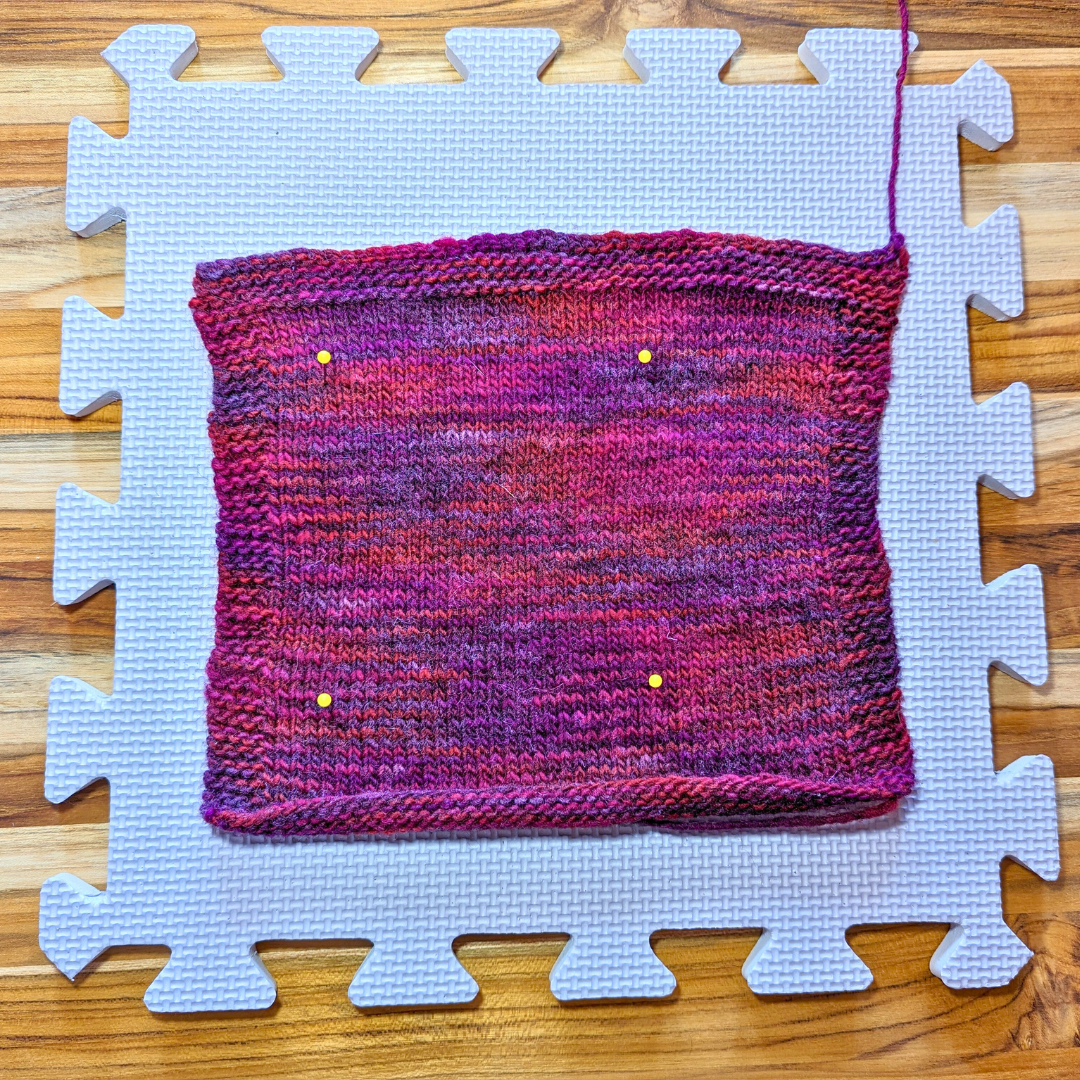
Perhaps that headline is a bit facetious. However, if you usually knit a simple gauge swatch that you wash and lay flat to dry, then the following may sound like abuse.
Cotton loves to stretch, especially in length. As mentioned above, it tends to grow under its own weight. If you want to knit a top that is 10 inches long, you might normally knit exactly to 10 inches as per your gauge and call it a day. With cotton, do not be surprised to find that same top has grown to as much as 11.5 to 12 inches after you’ve worn it all day!
When taking a gauge swatch with cotton yarn, knit your swatch to at least 4 inches by 4 inches. You might even want to knit for longer than 4 inches, since you can expect it to grow in length. Wash and block your swatch and then measure it.
Want an even stronger sense of your true gauge with cotton? Take your dried swatch, and use clothes pins to pin it to a clothes line, or even a hanger in your closet. Take more clothes pins and pin them to the bottom of your swatch, to add a little weight to the swatch. Measure your swatch after a day or two. It may have grown quite a bit!
Choose Patterns That Prioritize Drape
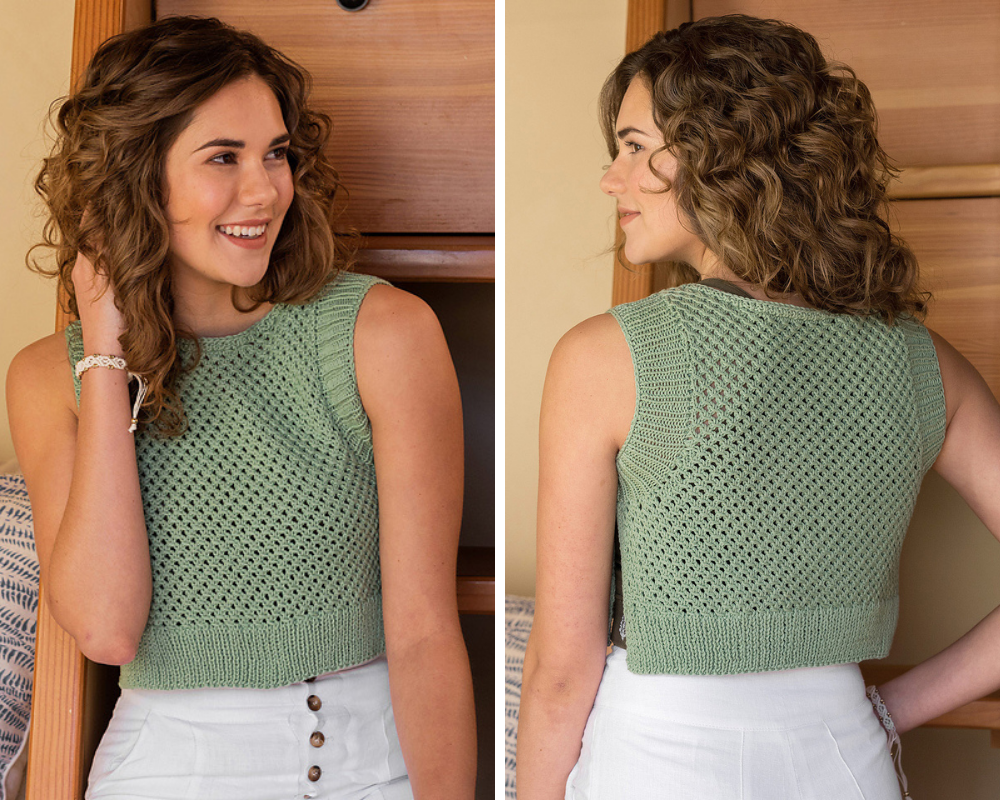
Patterns with positive ease (an oversized fit) will work better than patterns with negative ease (a form-fitting silhouette) because the heaviness of cotton lends it a drapey finish. Brown Sheep Company blends wool into Cotton Fleece and Cotton Fine, which give them a bit more bounce and memory, making them more appropriate for a wider range of projects. But if you’re knitting with straight cotton, be mindful of the garment and how it fits!
Cotton can make cables pop because cotton yarns tend to be smooth and show great stitch definition. However, cables require a lot of yarn, bunching up stitches over a shorter span, which lends to the weight of the garment. With cotton, that may stretch out your garment or make it too heavy.
The beauty of cotton is its breathable in warm weather. Garments that prioritize drape, garments with lacy elements, and garments with an oversize fit work very well with cotton. If the garment requires a lot of structure, it may not work well with a cotton yarn.
You Might Need a Different Size—and Type—of Needle
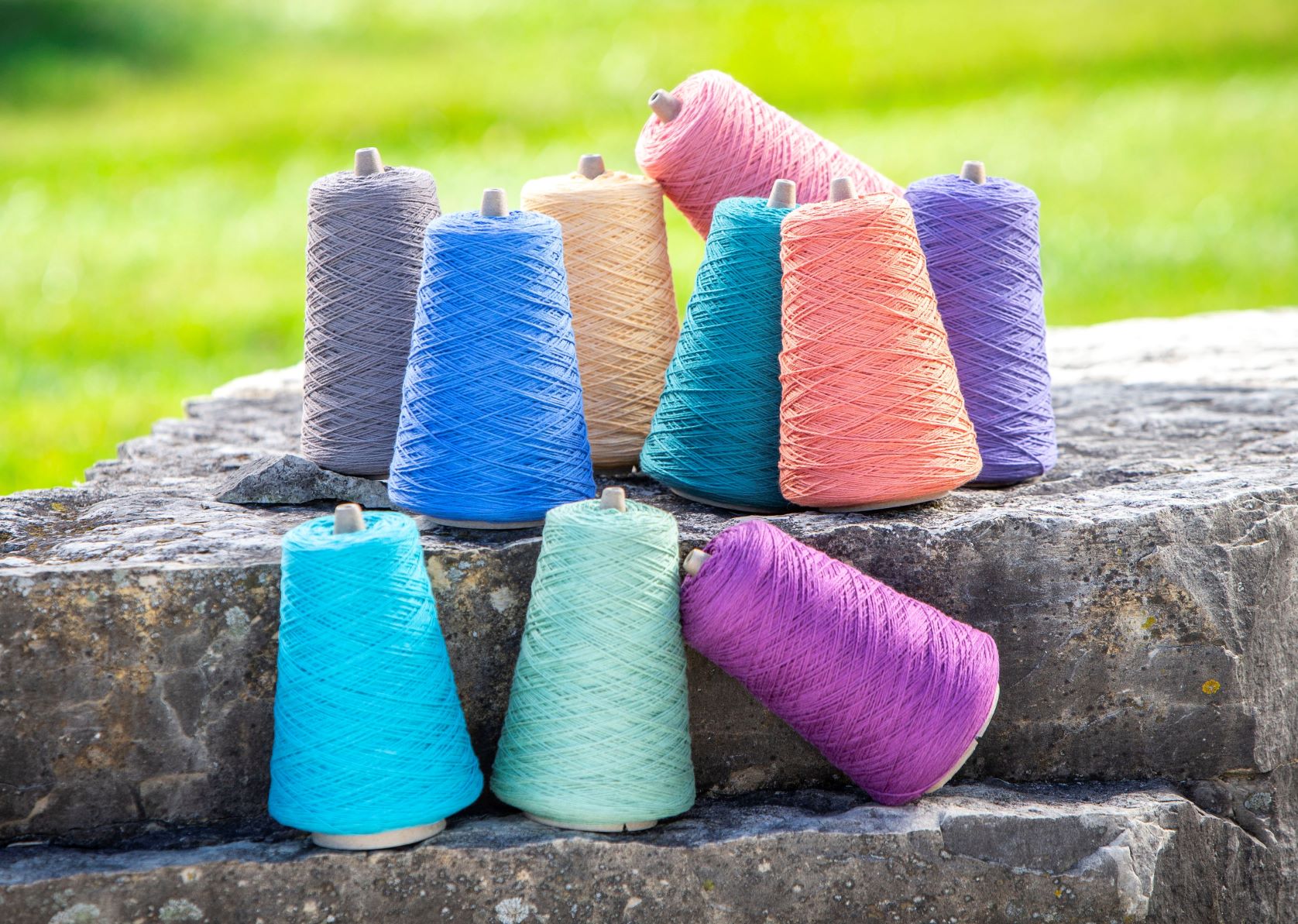
Cotton yarn can be slippery, which means your grip might tighten keeping the right tension on your needles. If you usually work with metal needles, you might need to switch to wooden needles. Some knitters also find the opposite to be true! Switching from wooden needles to metal needles may allow you to loosen your grip and let the knitting flow more smoothly. It’s a matter of personal preference.
The most important thing to remember is that the needles you use for wool may not work as well for you with cotton. The slipperiness of cotton may mean you need to size down on your needles as well to maintain the proper tension. Be open to experimentation. Take breaks when your hands cramp or your fingers or arms get tired.
Your Tension With Cotton Yarn Might Be Wonky
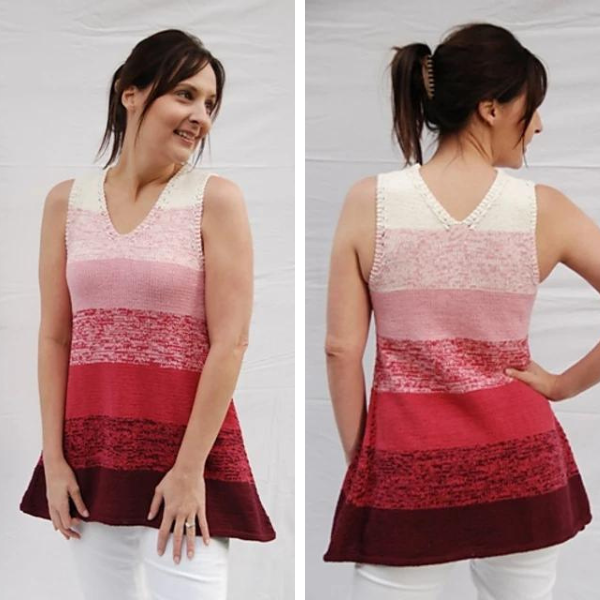
Because of wools elasticity, it’s much easier to maintain an even tension between your knit and purl rows. Cotton gives you no such grace! And because cotton is slippery, you may find yourself pulling tighter on your stitches to try to maintain tension.
Cotton yarns’ lack of elasticity often shows up as a subtle horizontal stripe in plain patterns like stockinette. This striping tells you that your purl rows are slightly looser than your knit rows. For a purl row, the yarn has to travel a smidge more around the needle. Wool’s elasticity tends to smooth out this small difference in yarn length. Cotton’s inelasticity tends to showcase this difference, which means your purl rows may look a bit larger than your knit rows. This is called “rowing out.”
If you find yourself rowing out on purl rows, try knitting your purl rows with a smaller needle. A smaller needle will tighten up purl rows and help smooth out the uneven tension.
We hope these tips help you knit joyfully with cotton yarns like Cotton Fleece and Cotton Fine! Learn more about our cotton yarns in our Spotlight on Cotton Fleece, and explore fun patterns in Our Favorite Summer Projects in Cotton Fleece and Cotton Fine and Our Favorite Summer Tops.