Behind the Fleece: Meet the Sheep in Our Authentic American Wool Yarn
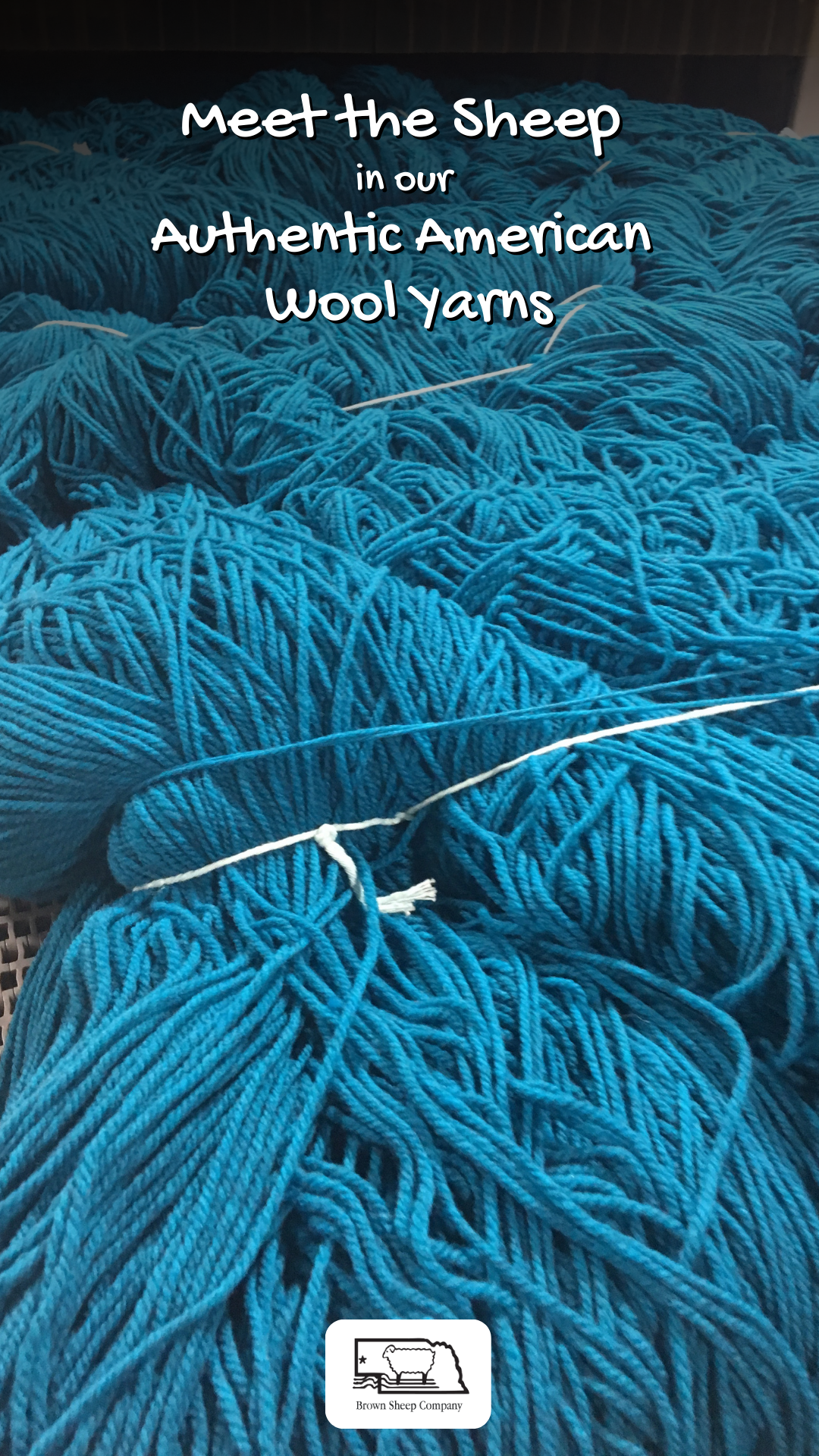
Brown Sheep Company produces more than a dozen natural, authentic American wool and wool-blend yarns. We’ve produced yarns and fibers since January 1980, but our legacy with sheep goes back even further than that.
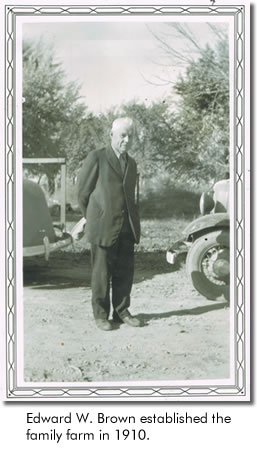
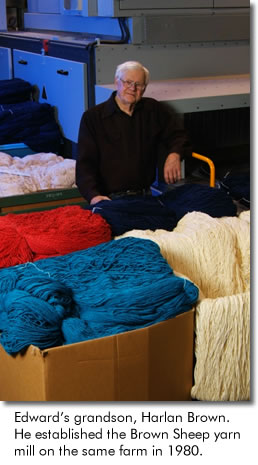
E.W. Brown originally purchased the farmland where the Brown Sheep family farm resides in the North Platte River valley over 100 years ago. It has remained in the family ever since. Mr. Brown raised a small flock of sheep on the farm, and passed the flock and the land down to his son, Harlan Brown. Back then, the family raised sheep for mutton!
The 5th generation of the family is still on the farm. Edward’s grandson, Harlan, purchased spinning equipment in 1980, after so many American wool textile mills in the Southeast closed. Demand for mutton also decreased, which helped the transition to wool, and then we added the Brown Sheep mill to the mix. Now, the 3rd and 5th generation of our family works the mill.
We’re very dedicated to maintaining a farm-to-fleece culture here in Nebraska. The United States has lost so many farms, textile mills, and yarn producers over the years. But we believe access to natural, authentic American wool and wool-blend yarns, processed from beginning to end in the United States, is still important to many crafters.
Brown Sheep Company’s entire yarn and fiber producing process happens in the United States, with the majority of the process happening at home, here in Nebraska. Let’s dive “behind the fleece,” meet the sheep fueling your favorite Brown Sheep Company yarns, and follow them on their journey from farm to fiber!
Meet the Sheep – Columbian-Rambouillet
|
|
|

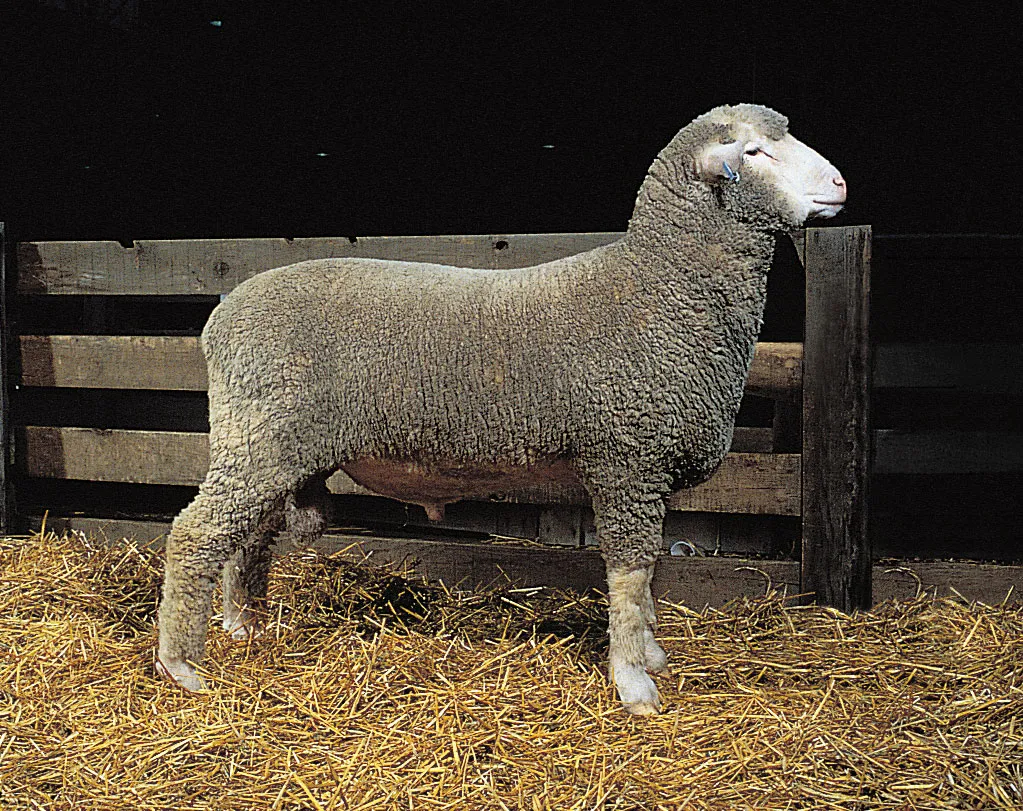
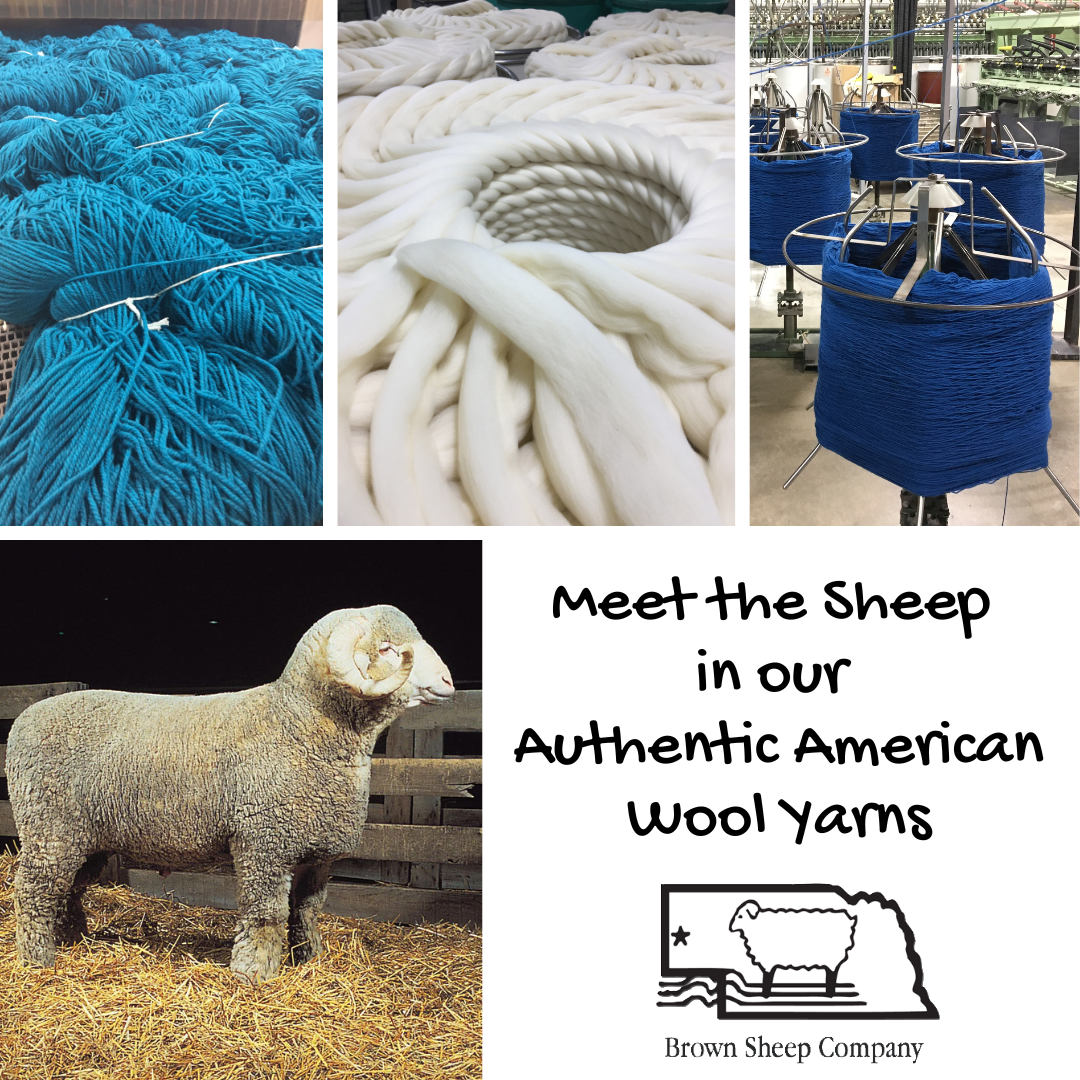
Almost all of Brown Sheep Company’s wool sources from the mixed Columbian-Rambouillet cross sheep breed. The Columbia breed was developed in the United States and is itself a cross. Crossing Laramie, Lincoln, and Wyoming rams with Rambouillet ewes resulted in the Columbian breed.
Rambouillet sheep are descendants of the Spanish Merino sheep, and one of the largest of the fine wool sheep breeds. Breeders adaptively bred Columbia and Rambouillet sheep to flourish in the western ranges of the United States.
All of Brown Sheep Company’s wool comes from sheep raised in Colorado, Wyoming, and western Nebraska.
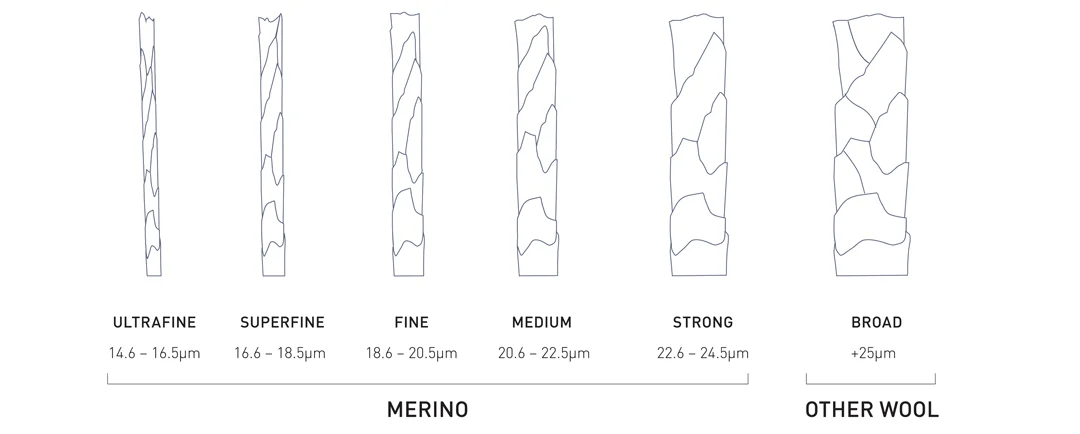
Our Columbian-Rambouillet wool has approximately 24 microns in fineness. It’s not the finest merino wool, but it’s not the scratchiest merino wool, either. It boasts a strength, softness, and durability that strikes a fantastic middle for knitting, crocheting, felting, and weaving.
Our Top of the Lamb wool has approximately 27 microns in fineness. Sold at trading posts and to artisans in the Southwestern United States for Navajo style tapestry weaving, it offers a coarser texture that weavers prefer.
The Columbian-Rambouillet sheep featured in Brown Sheep’s yarns are sheared once per year, in the spring time. In Colorado, Wyoming, and Nebraska, that falls around April/May.
Washing the Wool
Washing the wool is the one process that happens outside of Brown Sheep Company facilities. Nebraska’s semi-arid climate makes it very difficult to support ongoing wool washing in an environmentally conscious way. We work with a washhouse in the United States, which gently scours the raw wool to preserve the fiber length.
Spinning + Dyeing the Wool
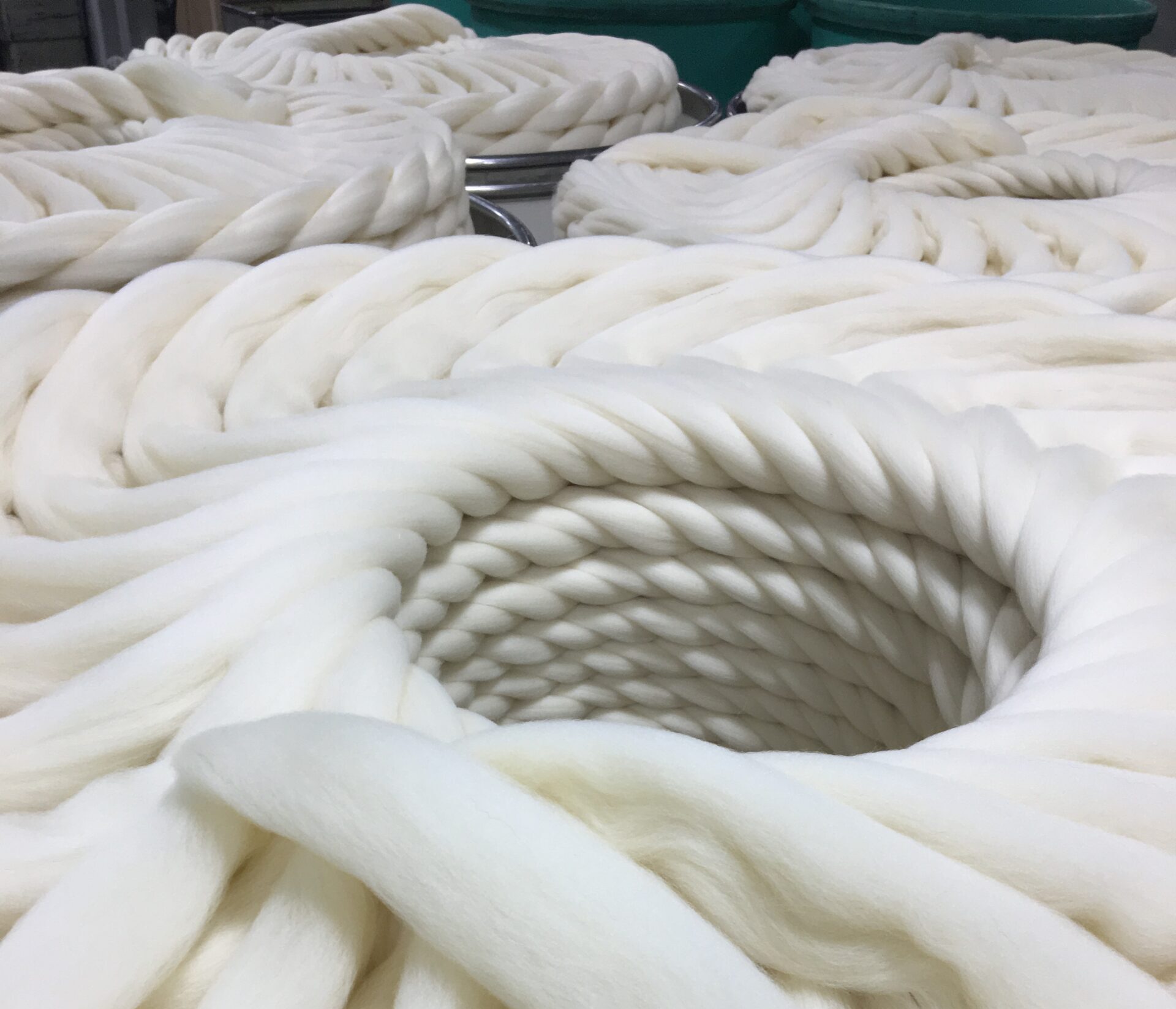
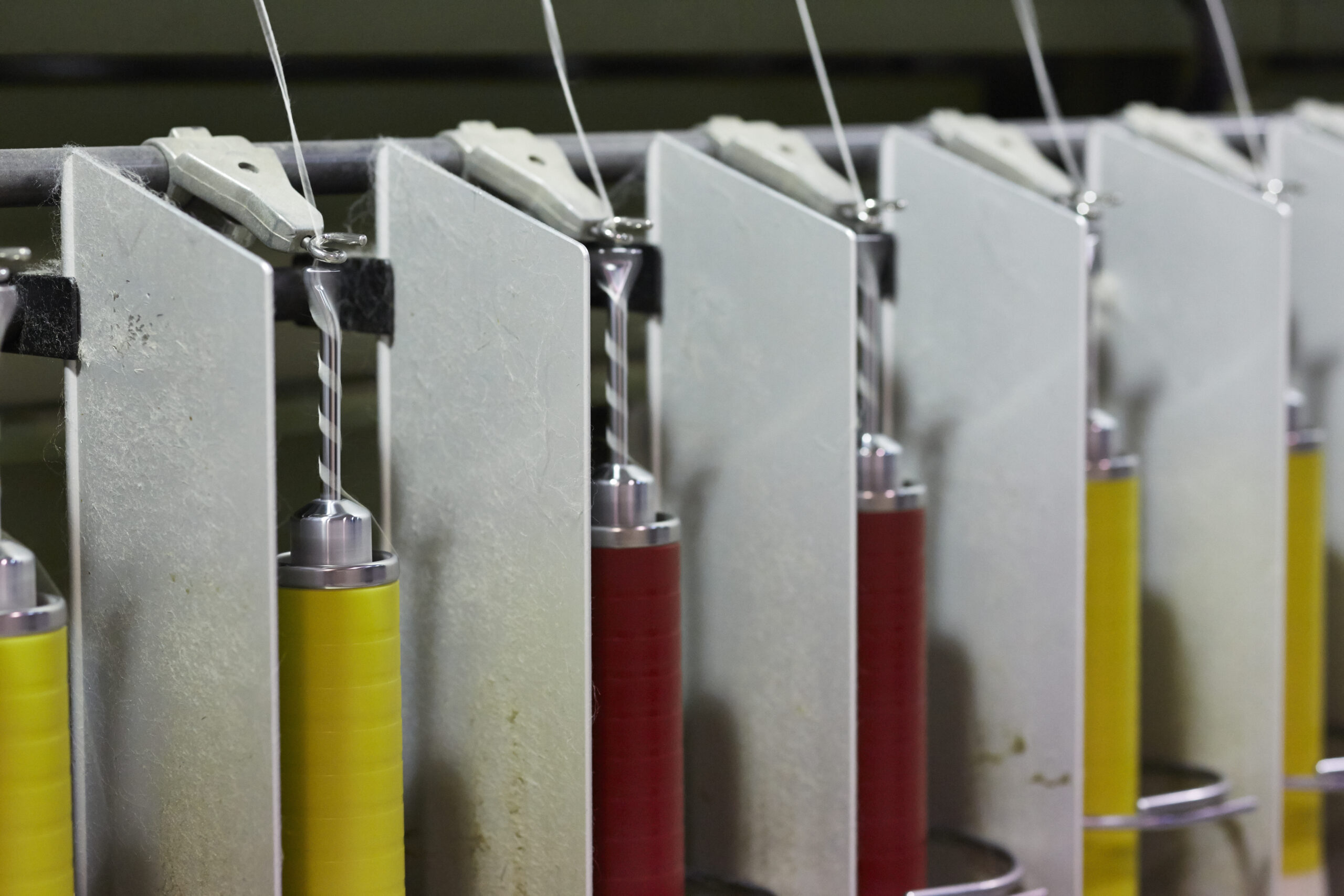
All of Brown Sheep Company’s wool is combed and carded into a worsted spun yarn. Worsted spun yarn has a softer feel because the fibers are combed into a parallel alignment. A woollen yarn often feels more coarse because the fibers don’t run parallel.
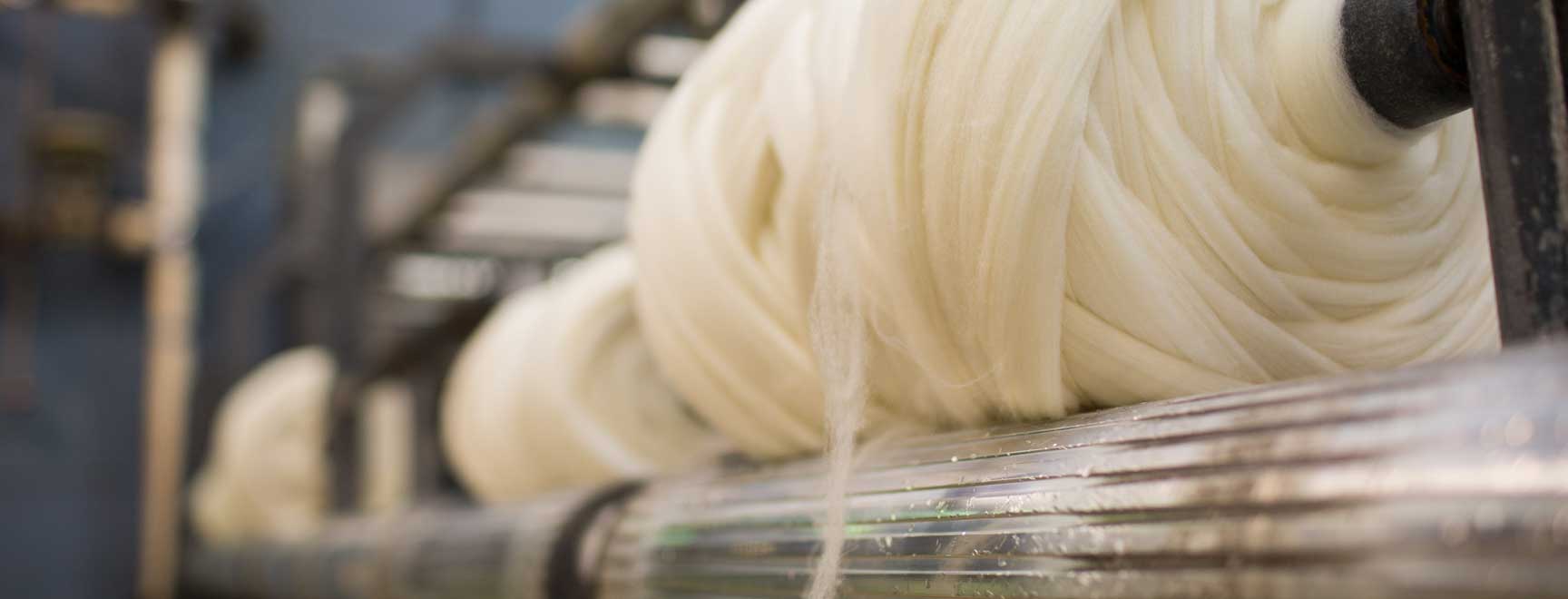
The above image shows wool roving that is about to go through another round of drafting. Once drafted into a narrower strand, we’re ready to spin the fiber into yarn. And once we spin it into yarn, we can start dyeing it into the brilliant spectrum of colors crafters love.
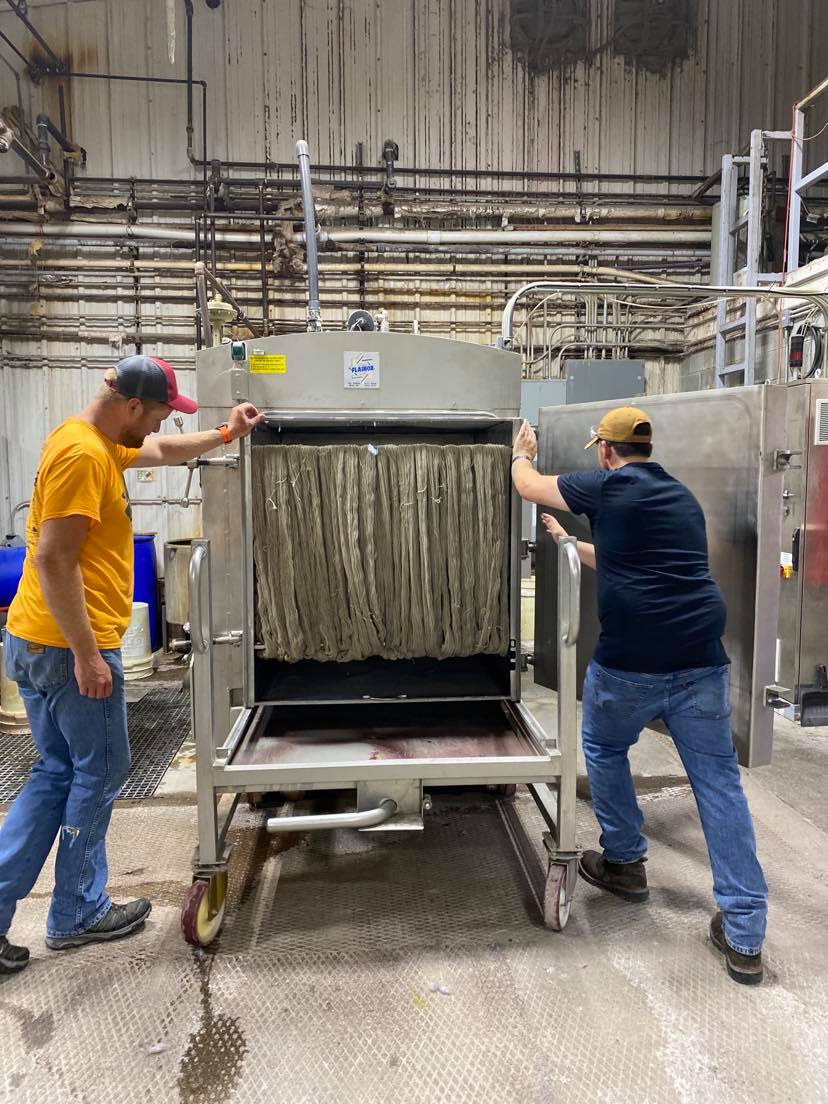
You can read more about our dyeing process here, but essentially, we wheel the reeled skeins into our dye vats.
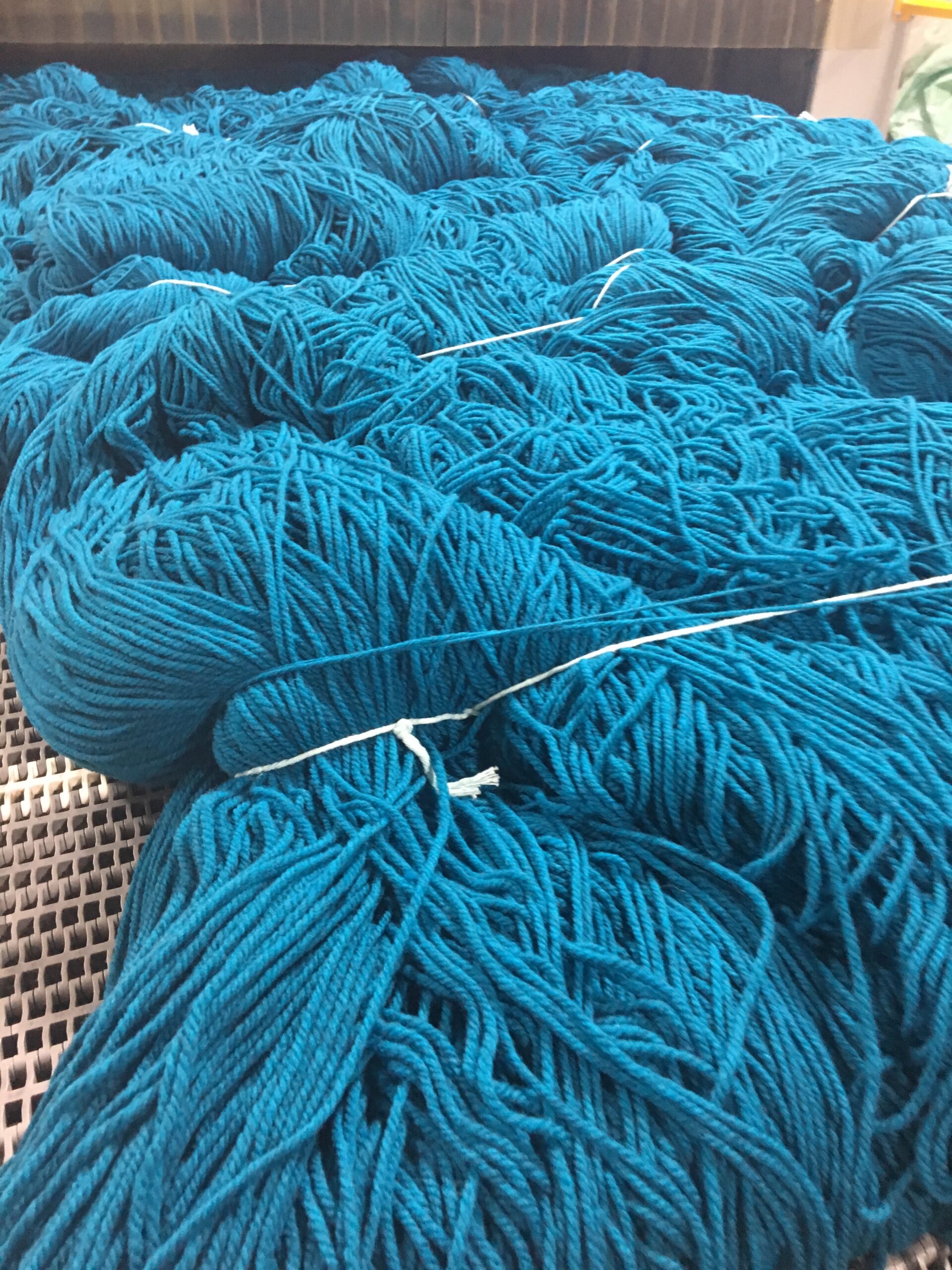
Dye circulates throughout the yarn, leading to vibrant, saturated colors. We mix our own dyes at Brown Sheep Company.
We also developed an environmentally-friendly water reclamation system that allows us to capture and reuse up to 90% of the water used in the dyeing process. Learn more about how we recycle our dyed water and how we incorporated new innovations in dye water recycling.

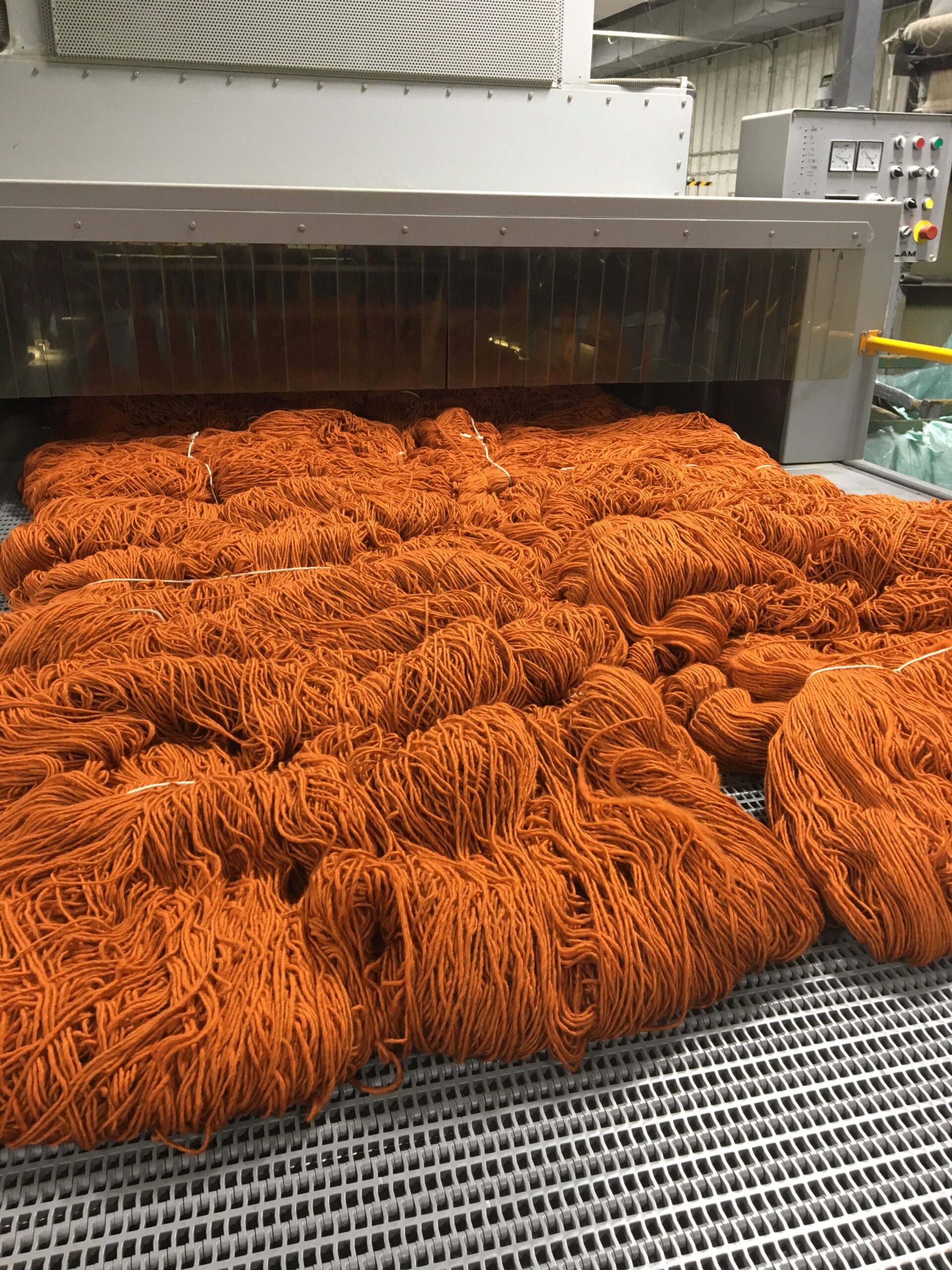
After dyeing the yarn, we put it into a radio frequency dryer to dry the fiber. It works a bit like a microwave, moving the fiber on a conveyor belt through the machine to remove all of the moisture.
Then, it’s time to spin the yarn into balls, hanks, and skeins for crafters to wind and enjoy! That happens on large umbrella swifts that are very similar to the ones you see in local yarn stores and may have at home. These giant umbrella swifts can turn a large, 10-lb. hank into a cone, which we can then turn into skeins:
Fun Facts About Brown Sheep Company Yarns
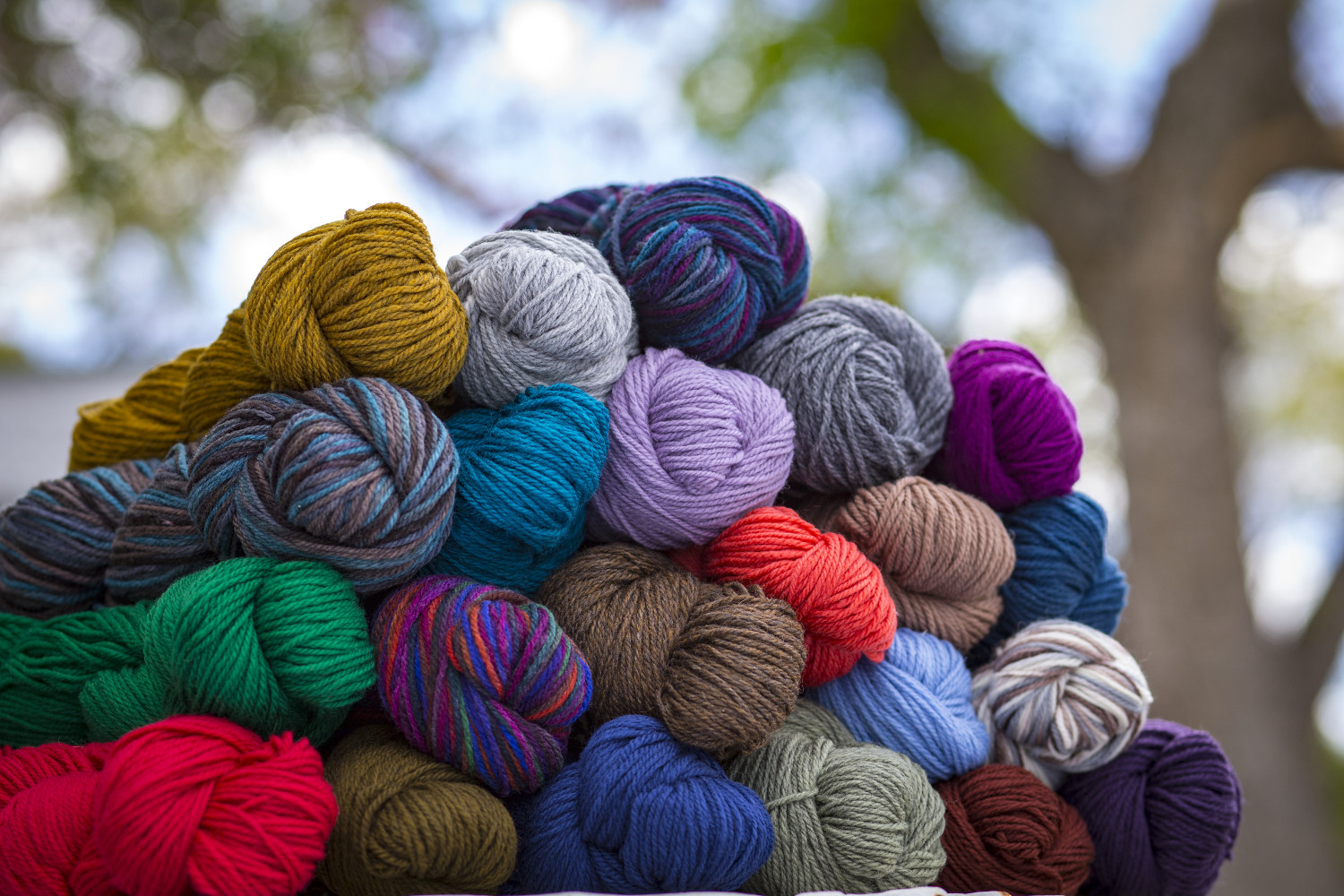
We handle approximately 2,500 pounds of raw wool every year. That translates to approximately 250-350 sheep!
2,500 pounds of raw wool equals about 10,000 skeins.
10,000 skeins is enough yarn to make roughly 1,000 sweaters!
Feeling inspired to explore our authentic, American wool yarns? Check out our online shop and join us on the Brown Sheep Company Crafters group to share your projects, be inspired, and engage with a fun community of crafters!